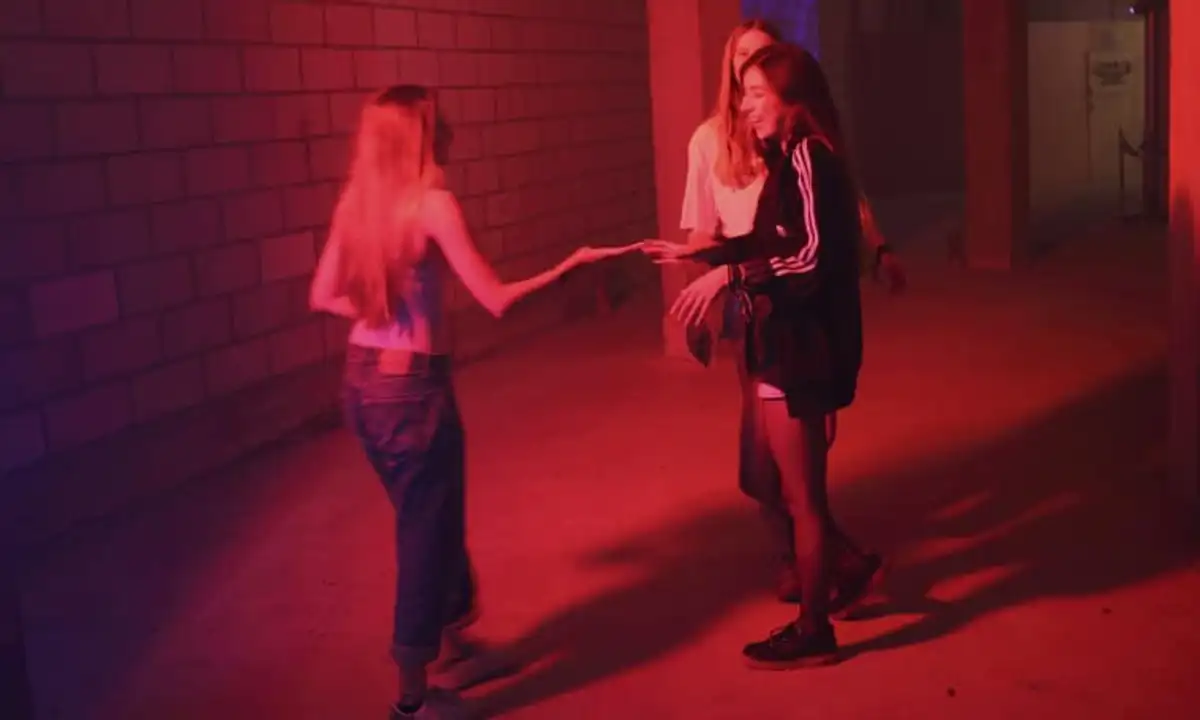
Before grime had festivals, major label deals, or retrospective documentaries, it had photographers in small rooms with point-and-shoot cameras and roll-on film. The images they made in sweaty Bow basements and east London car parks are now primary historical documents. This gallery archive exists to preserve and contextualise that visual record.
Why Club Photography Matters More Than the Music Press Admitted
For most of the 2000s, mainstream music journalism barely covered grime or UK garage. Mixmag focused on house and techno. The tabloids used the scene as a crime narrative. What survived was almost entirely user-generated: flyers, blurry phone footage, and photographers who showed up because they loved the music, not because an editor sent them.
The result is a photographic archive that is structurally different from, say, the documented rave era of the early 90s. There is no official NME photo library. No Getty archive of Wiley at Eskimo Dance in 2002. What exists came from people who were already there.
What This Gallery Contains
The photo archive on this site is organised by era, venue, and artist. Below is a breakdown of the current collection structure:
| Category | Approximate Image Count | Era Covered |
|---|---|---|
| UK Garage club nights | 340+ | 1997-2003 |
| Grime sets and clashes | 580+ | 2002-2012 |
| Pirate radio and studio sessions | 120+ | 2001-2008 |
| Outdoor events and block parties | 210+ | 2003-2015 |
| MC portraits and backstage | 190+ | 2002-2016 |
| Flyer and visual ephemera | 430+ | 1996-2010 |
Most of these photographs have never been commercially published. Several were taken at nights that are documented nowhere else in any public archive.
The Photographers Behind the Archive
The archive is not a single photographer's body of work. It draws from around 40 contributors, most of whom were scene participants first and photographers second. A few names worth knowing:
- Karl "Kash" Ashton shot Sidewinder events from 1999 to 2003 and contributed over 200 images, many of which document the transition from garage to what would become grime.
- Donna Adeyemi worked the east London grime circuit from 2003 onward, with a particular focus on female MCs and producers at a time when that coverage was essentially non-existent elsewhere.
- Marcus Fenn documented pirate radio sessions across Deptford and Hackney, resulting in one of the few visual records of how those studios actually looked and functioned.
These are not credited as incidental contributors. Their editorial choices, framing, and access define what this archive is.
How UK Garage and Grime Look Different Through a Camera
The visual language of UK garage and grime photography differs in ways that reflect the cultures themselves.
UK garage photography from the late 90s tends to feature:
- Dressed-up crowds, designer labels, camera-aware subjects
- Warmer club lighting, more intentional poses
- Mixed-gender groups, strong south and east London venue identity
- A visual proximity to the R&B and soul aesthetics of the same period
Grime photography from the early-to-mid 2000s looks markedly different:
- Lower-lit, often harsher environments
- More candid and movement-based framing
- Heavily male-coded spaces, MC-centric composition
- Equipment visible: microphone setups, beatboxes, DIY soundsystems
This distinction is not just aesthetic. It reflects real differences in how these scenes occupied physical space, who attended, and what the social function of the event was.
Venue by Venue: The Spaces That Made the Sound
Understanding the photography requires understanding where these images were made. Below are key venues whose interiors appear regularly across the archive:
| Venue | Location | Scene | Active Period in Archive |
|---|---|---|---|
| Plastic People | Shoreditch, EC2 | Grime/garage crossover | 2001-2015 |
| Rhythm Division | Bow Road, E3 | Grime retail/events | 2002-2008 |
| Stratford Rex | Stratford, E15 | UK garage | 1999-2004 |
| Manor Place Baths | Walworth, SE17 | Garage/rave | 1998-2003 |
| Club UK | Wandsworth, SW18 | UK garage | 1997-2002 |
Several of these buildings no longer exist. Stratford Rex was demolished. Club UK closed and was converted. The archive photographs are, in some cases, the only detailed interior documentation of these spaces.
What Makes a Good Grime Photograph
This is not a stock photography site. The images here are not clean, not commercially polished, and not retrospectively staged. What makes them valuable is precisely what made them difficult to take at the time:
Low light. Restricted access. No press credentials. Proximity to the MC without disrupting the set. The ability to read a room and understand when something significant was happening before it happened.
Good grime photography captures:
- The physical intensity of a live clash or set
- The relationship between performer and crowd, which in grime is unusually close and confrontational in a productive sense
- The social geography of the room: who stands where, what that signals
- Specific, dateable visual details that place an image in time
An image that could be from any genre, any city, any decade is not useful to this archive. Specificity is the entire point.
Submitting Photographs to the Archive
If you have images from UK garage or grime events, radio sessions, or associated cultural spaces from the late 1990s through to approximately 2015, submissions are open.
Submission requirements:
- Images must include a date or an event/venue name you are certain of
- RAW files preferred, but high-resolution JPEGs accepted from the period where RAW was not standard
- Photographer must hold rights, or be able to identify the original photographer
- Minimum resolution: 1800px on the longest edge for scanned prints; 2400px for digital originals
- Images shot on 35mm or medium format film are particularly sought
The archive operates on a non-commercial basis. All credited photographers retain rights to their work. Commercial licensing requests are handled on a case-by-case basis with photographer approval required.
Preserving What the Industry Did Not
It is worth being direct about why this archive exists. The major music platforms and press outlets that now retrospectively celebrate grime did not document it when it was happening. GRM Daily launched in 2009, which means it missed the foundational years entirely. Mixmag's coverage of grime was negligible until the mid-2010s. DJ Mag treated it as a subcultural footnote.
The economic and racial dynamics of that neglect are not incidental. Grime was a predominantly Black British art form emerging from post-industrial east London. The existing music press did not reflect that audience, did not employ journalists from that community in meaningful numbers, and did not assign photographers to those events.
The visual archive that exists is therefore almost entirely community-made. That is both its limitation, in terms of technical inconsistency and gaps, and its greatest strength. These photographs were not taken to serve a media institution. They were taken because someone wanted to document their scene.
How to Navigate the Gallery
The gallery is filterable by:
- Year (1996-2016)
- Borough or location
- Artist or MC name where identified
- Photographer
- Event type: club night, radio session, outdoor, studio, interview
Images with confirmed metadata are marked with a verification tag. Images where date or location is approximate are marked as estimated. The distinction matters for research purposes.
Several photographs in the archive have been used in academic research on UK music culture, including work produced at Goldsmiths and Queen Mary University of London. If you are using archive images for research, attribution guidelines are listed in the submission and use section.