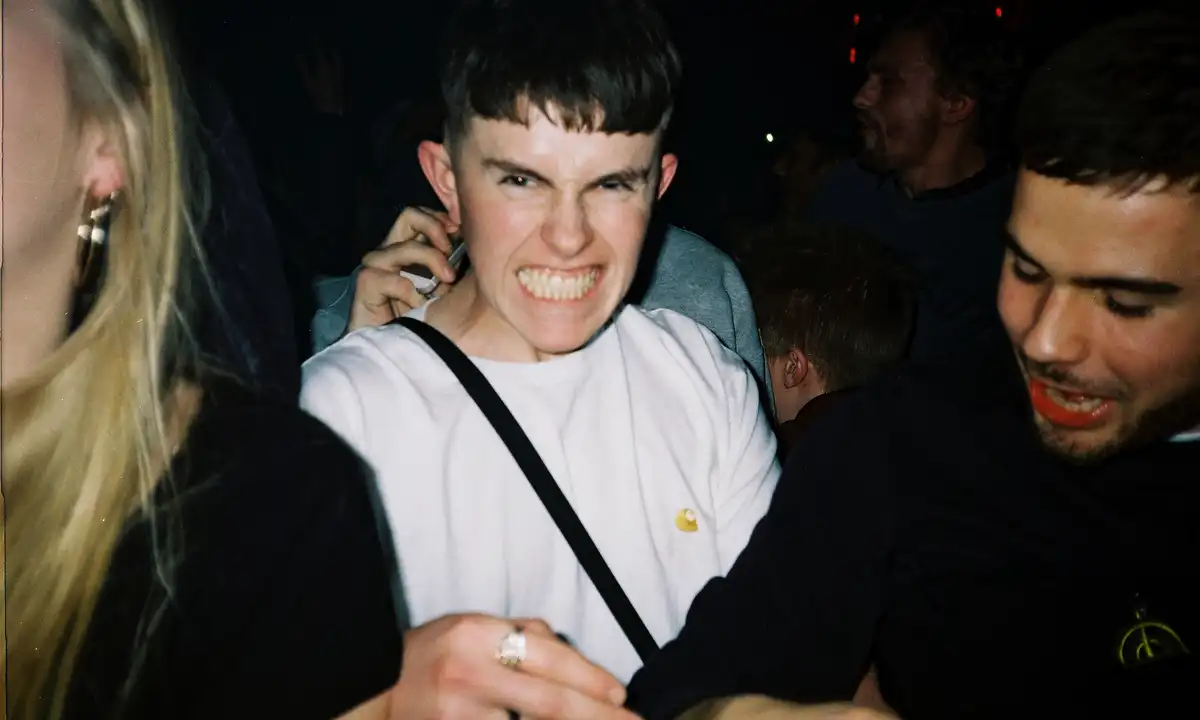
The UK club scene that grew out of grime and garage is not one thing. It is a network of nights, venues, promoters, and sound systems that have shifted shape over two decades — from unlicensed warehouse raves and pirate radio link-ups to ticketed events at established venues. If you are looking to find where the music actually lives, this is where to start.
What Makes a Grime or Garage Club Night Different
A grime or garage club night is built around the MC and the selector, not just a DJ set. The crowd dynamic is different too — call-and-response between MCs and the floor is part of the event, not an add-on. Sets tend to run longer and clash culture means you might see two MCs trade bars on the same stage rather than separate bookings playing back-to-back.
Key distinctions from a standard club night:
- Sound system weight — bass response is a functional requirement, not a luxury
- MC presence — live vocals over riddims, not just a hype man
- Set structure — riddim-led sets where the MC rides a beat for extended periods
- Crowd knowledge — audiences actively identify tracks, shout back lyrics, recognise producers
The Venues That Shaped the Scene
London remains the geographic centre, but the scene has never been London-exclusive. Bristol, Birmingham, Manchester and Leeds all have credible garage and grime nights with their own regional sounds and promoters.
| Venue / Night Type | City | Characteristic |
|---|---|---|
| Fabric | London | Long-standing techno and drum and bass base, but has hosted grime-adjacent nights |
| Corsica Studios | London | Underground crossover bookings, known for darker sound palettes |
| Lakota | Bristol | Regional garage and bashment nights, South West following |
| Warehouse Project | Manchester | Large-scale events that periodically include UK funky and grime crossover billing |
| Belgrave Music Hall | Leeds | Smaller capacity, grime and UK rap nights with strong northern crowd |
| EartH | London | Mid-capacity venue used for archive and anniversary grime events |
The shift post-2020 towards mid-capacity venues (500–1,500) reflects what promoters found: grime audiences engage better in rooms where they can actually hear the MC without industrial PA rigs eating the vocals.
How Club Events Connect to the Photo Archive
Club photography is where documentation meets culture. The images coming out of nights like Eskimo Dance (2002 onwards), Butterz parties, and more recently genre-crossover events like Functions on the Low are primary sources. They are not just promotional material — they record what people wore, who was in the room, how crowds positioned themselves around the MC.
From a photographic standpoint, grime and garage nights present specific technical challenges:
- Low light with sharp strobes requires either fast lenses (f/1.4 to f/1.8) or accepting grain as part of the aesthetic
- Smoke machines and coloured gels flatten detail — photographers working this scene have developed a style that treats those conditions as texture rather than obstacle
- Crowd documentation matters as much as artist shots — the culture is participatory
A recurring visual signature in UK grime photography is the wide-angle shot from below the stage that captures both the MC and the crowd response in one frame. This became more deliberate from around 2008 onwards as photographers like Tim Lambourne and others embedded themselves in specific nights rather than shooting as external press.
Key Club Event Formats in UK Grime Culture
Not every event format works the same way. Understanding the format tells you what to expect on the night.
Clash nights Two or more MCs compete in front of a live audience. The crowd votes with noise. Classic format from graft-era pirate radio translated into a club setting. Notoriously difficult to photograph because the energy peaks unpredictably.
Showcase nights A single MC or crew headlines with supporting acts. More structured, closer to a concert format. Better for documentation, bigger production.
Rave-style events DJ-led, MC features throughout the night rather than headlining. This format dominated in the garage era and still runs in specific nights. Less structured but often where new talent surfaces.
Archive and anniversary events These have become more common from 2022 onwards as the original grime generation moves into its late thirties and early forties. Eskimo Dance's returns, Roll Deep anniversary sets, So Solid Crew reunion performances — these are drawing new audiences who know the music through YouTube and documentaries rather than having been in the room originally.
| Format | Typical Capacity | MC Role | Photography Opportunity |
|---|---|---|---|
| Clash | 200–600 | Central, competitive | High energy, unpredictable |
| Showcase | 500–2,000 | Headline | Structured, accessible photo pit |
| Rave | 500–3,000 | Rotating feature | Long night, multiple subjects |
| Archive/Anniversary | 1,000–5,000 | Reunion or tribute | Historically significant |
Booking and Ticketing Patterns
Independent promoters run most grime and garage nights. Major ticketing platforms list them, but the announcement often happens first through the promoter's own channels or through scene-adjacent media. Sell-out times vary widely — a mid-tier showcase in a 600-cap venue might sell out in 48 hours; a larger anniversary event might have tickets available for weeks.
What drives fast sell-outs in this scene specifically:
1. Reunion or first-time booking of a crew or MC who rarely performs live 2. Events tied to anniversaries (ten-year, twenty-year milestones of specific albums or collectives) 3. Nights where the lineup is not fully announced — partial reveals that suggest something significant 4. Small-capacity rooms with disproportionately large reputations (certain Corsica nights, for example)
Ticket pricing in 2026 for independent grime and garage nights typically sits between £12 and £30 for a standard event. Archive nights and larger bookings push towards £40–£60, occasionally more for seated or mixed-format events that include a documentary screening or panel discussion alongside live performance.
Regional Club Events Outside London
The assumption that grime is only a London phenomenon has been wrong for a long time and becomes more obviously wrong every year. Regional scenes have their own promoters, their own photography culture, and in some cases their own stylistic divergence from the London template.
Birmingham: Strong MC culture with roots in the Midlands bassline scene. Nights blend garage, grime and UK funky. Venue circuit includes O2 Institute for larger bookings and smaller independent spaces.
Manchester: Ties between grime and drill have been stronger here than in the south. Warehouse Project has been a staging post for crossover bookings. Roadside Bars and a cluster of independent promoters run regular smaller nights.
Bristol: The South West scene has always run parallel to London without trying to replicate it. Dubstep heritage influences sound system culture at events. Lakota and other Bristol venues have hosted credible garage nights with regional headliners.
Leeds: A younger scene in terms of infrastructure but with committed promoters. Belgrave Music Hall bookings and a growing presence at festivals have raised the profile.
What Has Changed Since 2020
The pandemic disruption and subsequent recovery reshaped how UK club events are planned and promoted. Several structural changes have persisted:
- Smaller guest lists, tighter capacity management — venues and promoters moved away from over-capacity bookings
- Hybrid documentation — livestreams of club events became standard, which created new tension around photography rights and footage distribution
- Archive-led programming — promoters found that anniversary and retrospective events performed reliably, which has shifted booking culture
- Increased photographer accreditation — as documentation value became more recognised, more nights formalised their press access, which changed the aesthetic relationship between photographers and events
The grime scene in particular benefits from this shift because its cultural value is now more widely acknowledged. What were once underground documentation projects are now archive materials with real historical and commercial significance.