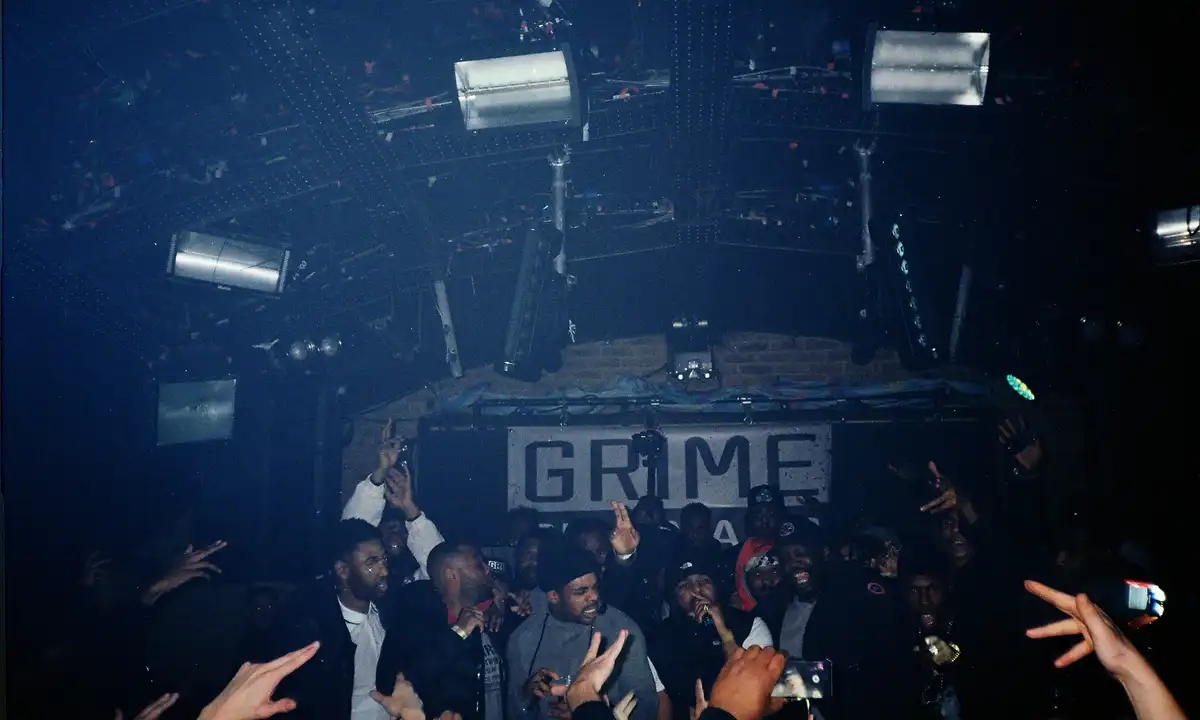
Grime and UK garage have generated some of the most compelling documentary footage of any music genre to emerge from Britain. These films do more than archive sounds — they capture specific streets, specific studios, specific faces from specific postcode areas that shaped a global movement. This guide covers the essential documentaries, what each one actually shows you, and why they matter beyond nostalgia.
Why Music Documentaries Matter for Understanding UK Grime
Grime is a genre built on footage. Pirate radio recordings, clashing sets on VHS, Channel U videos shot on handycams — the visual record is inseparable from the music itself. Documentaries that take this seriously give viewers something a studio album cannot: context, conflict, and the economics of a scene that operated outside mainstream industry for the better part of a decade before anyone at a major label paid attention.
The best of these films sit between journalism and portrait photography. They are direct because the people in them are direct.
Essential Grime and UK Garage Documentaries
Dem Ah Wonder (Various Archive, 2000s–2010s)
Not a single film but a body of footage that circulated through forums and YouTube channels for years before being properly acknowledged as cultural record. Clashes, studio sessions, and road footage captured on consumer-grade equipment that now functions as primary historical source material. The resolution is low. The authenticity is not.
Grime Kids (Vice / Noisey, 2016)
Based on DJ Target's memoir, the Grime Kids documentary traces the Bow E3 origins of the genre through interviews with figures including Wiley, Dizzee Rascal, Jammer, and Target himself. It is one of the few productions that deals honestly with the pirate radio infrastructure — Déjà Vu FM, Rinse FM — without sentimentalising it. Running time is approximately 45 minutes. It covers the 2001–2004 period in particular detail.
Key subjects covered:
- Pirate radio station logistics and legal risk
- The Roll Deep crew formation and early internal dynamics
- How Pay As U Go Cartel bridged UK garage into proto-grime
- The role of Rhythm Division record shop in Roman Road as a physical distribution hub
The Story of Grime (BBC, 2016)
Broadcast as part of a wider BBC Music series, this documentary runs to around 60 minutes and features more polished production than most archive-based grime films. It covers the full arc from garage through to the mainstream period post-2014. Presenters and contributors include Stormzy, Skepta, Lethal Bizzle, and Julie Adenuga.
Strengths:
- Broader timeline than most single-scene films
- Addresses the industry blacklisting of grime events through Form 696 (the Metropolitan Police risk assessment form used disproportionately against urban music events between 2005 and 2017)
- Includes footage from Eskimo Dance events
Limitations:
- The mainstream breakthrough era receives heavier coverage than the underground years
- Some contributors speak in retrospect rather than from period documentation
Noisey Atlanta vs. Noisey London (Vice / Noisey, 2014)
Less a formal documentary than a head-to-head feature comparing two city-specific rap scenes. The London segments, shot in Lewisham, Brixton, and East London, include sessions with Skepta, JME, and several artists from the BBK roster. Notable for capturing the period just before Konnichiwa-era mainstream recognition — a moment when grime was culturally significant but commercially overlooked by the wider industry.
Fire in the Booth: The Documentary (Charlie Sloth / BBC Radio 1Xtra, 2018)
This film documents the history of the BBC Radio 1Xtra Fire in the Booth freestyle series, which ran from 2009 onwards. While not exclusively a grime documentary, a substantial portion covers the role of the format in legitimising MC culture within a broadcast institution that had previously kept grime at arm's length.
Freestyle sessions featured in the documentary include performances by:
| Artist | Year of Featured Session | Label at Time |
|---|---|---|
| Dizzee Rascal | 2009 | Dirtee Stank |
| Stormzy | 2015 | Self-released |
| Skepta | 2014 | Boy Better Know |
| Dave | 2016 | Neighbourhood / Island |
| AJ Tracey | 2017 | Independent |
The Great BritishRap (Channel 4, various years)
Channel 4 produced several shorter documentary segments on UK rap and grime across different broadcast slots. These are less cohesive than BBC productions but often more immediate. The Street Sounds series from the early 2000s, though predating grime as a named genre, documents the garage scene that directly produced it.
UK Garage Documentaries: The Foundation Layer
Grime without UK garage is not historically coherent. The garage scene of the mid-to-late 1990s — centred on nights like Twice as Nice and the Colosseum in Vauxhall — created both the tempo and the social infrastructure that grime inherited and then broke apart.
Rewind: The Story of UK Garage (2009)
Directed by Suridh Hassan, this is the most comprehensive film specifically about UK garage as a distinct genre. It covers the US house and swing beat influences that fed into the garage sound, the pirate radio dissemination through stations like Freek FM and Mission FM, and the commercial peak of the genre through artists like Craig David, DJ Luck and MC Neat, and So Solid Crew.
Runtime: approximately 75 minutes.
Key archive footage includes:
- Early Club UK nights
- Kiss FM garage shows from 1997–1999
- Record shop scenes in Croydon and Hackney
- So Solid Crew before the mainstream period
The documentary is candid about the media association of UK garage with violence following high-profile incidents in 2001 and how this shaped radio and venue policy for years afterwards.
What These Documentaries Cover and What They Miss
No single film provides complete coverage of the grime or UK garage story. Below is a comparison of coverage across the most significant productions:
| Documentary | Era Covered | Pirate Radio | Club Scene | Female Artists | MC Culture |
|---|---|---|---|---|---|
| Grime Kids (2016) | 2001–2006 | Strong | Moderate | Weak | Strong |
| Story of Grime (BBC, 2016) | 1999–2016 | Moderate | Moderate | Weak | Strong |
| Rewind: UK Garage (2009) | 1995–2003 | Strong | Strong | Moderate | Moderate |
| Fire in the Booth Doc (2018) | 2009–2018 | Weak | Weak | Weak | Very Strong |
| Noisey London (2014) | 2013–2014 | Weak | Weak | Weak | Moderate |
The consistent gap across all productions is the coverage of women in these scenes. Artists like Ms D, Shystie, Lady Sovereign, and Lioness are either absent or peripheral in most documentary treatments despite significant roles in developing the MC format and the grime aesthetic.
Club Photography and Visual Documentation Alongside Film
The documentary record of grime and garage is not only moving image. Club photography — shot at Sidewinder, Garage Nation, and small East and South London venues — constitutes a parallel archive. Photographers like Simon Wheatley, whose long-term project "Don't Follow Me I'm Lost Too" documented Bow and Hackney from 2002 to 2008, produced still work that functions as documentary in its own right.
This matters because many of the moments that define the scene — the clash formats, the rave energy, the specificity of who was in which room — were never filmed for broadcast. Photography captured what video did not reach.
How to Access These Documentaries
| Documentary | Primary Platform (as of 2026) | Format |
|---|---|---|
| Grime Kids | Vice / YouTube archive | Free streaming |
| Story of Grime (BBC) | BBC iPlayer (UK access) | Free with UK licence |
| Rewind: UK Garage | YouTube / physical DVD | Free / purchase |
| Fire in the Booth Doc | YouTube | Free streaming |
| Noisey London | Vice YouTube channel | Free streaming |
Availability changes. Several of these films have moved between platforms or faced copyright restrictions on archive music footage. Physical copies of Rewind: UK Garage are the most reliable access point for that film specifically.